
California FAIR Plan Guide: Eligibility, DIC Coverage & 2026 Rules

Introduction
Finding affordable homeowners insurance in California has become increasingly difficult, especially for people living in areas with high wildfire risks. Some insurance companies have reduced their coverage options, declined new applications, or decided not to renew existing policies because of rising wildfire-related losses. As a result, many homeowners are looking for alternative ways to protect their properties.
The California FAIR Plan provides basic fire insurance to homeowners who cannot obtain coverage through the traditional insurance market. However, it does not offer all the protections included in a standard homeowners policy. Understanding its eligibility requirements, coverage limits, and additional insurance options is important before choosing a policy. Homeowners can also explore different California home insurance options to find suitable protection for their properties.
This guide explains how the FAIR Plan works, what it covers, and why additional insurance may be necessary in 2026.
What Is the California FAIR Plan and How Does It Work?
The California FAIR Plan stands for Fair Access to Insurance Requirements. It is an insurance program created to help California property owners who have difficulty obtaining basic property insurance from traditional insurance companies.
Although it operates under California law and receives oversight from the California Department of Insurance, the FAIR Plan is not a state agency. It is a private insurance association supported by licensed property insurers operating in California. Its member companies share the program's financial responsibilities according to their market participation. It does not receive taxpayer funding.
The primary purpose of the California FAIR Plan is to provide basic property protection when homeowners cannot find reasonable coverage in the regular insurance market.
For example, a homeowner living near a wildfire-prone area may receive non-renewal notices from traditional insurance companies. If other suitable insurance options are unavailable, the homeowner may qualify for FAIR Plan coverage.
However, this insurance is designed as a temporary safety net rather than a complete replacement for traditional homeowners insurance. It mainly protects against specified fire-related risks and does not automatically include liability, theft, or several other important protections.

California FAIR Plan Eligibility Requirements in 2026
The California FAIR Plan is available to eligible homeowners and property owners throughout California, including people living in urban and rural communities.
However, applicants must demonstrate that their property qualifies under the program's current underwriting requirements and that suitable basic property insurance is not reasonably available through the regular market.
Important eligibility considerations include:
1. Difficulty Obtaining Traditional Insurance
Homeowners generally turn to the FAIR Plan after traditional insurance companies decline their applications, restrict coverage, or refuse to renew existing policies. Applicants should discuss available alternatives with a licensed insurance broker.
2. Property Condition
The property's overall condition can affect eligibility. Insurance providers may review its construction, maintenance, roof condition, electrical systems, and other characteristics when evaluating an application.
3. Property Inspection
An inspection or additional property information may be requested to evaluate the home's condition and wildfire exposure. Applicants should provide accurate details and address any required improvements.
4. Defensible Space and Wildfire Protection
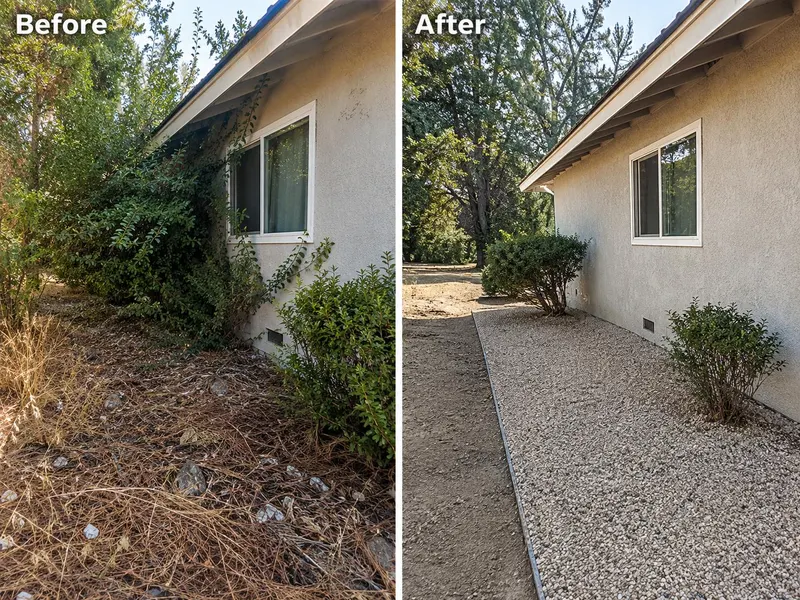
Homeowners should maintain defensible space by removing combustible materials, clearing vegetation near structures, and following applicable local fire-safety requirements.
Important 2026 Regulatory Updates
California continues to strengthen insurance protections and wildfire preparedness. Several new laws took effect on January 1, 2026, including measures supporting wildfire mitigation, insurance availability, and consumer protection.
The California Safe Homes Act (AB 888) established a grant program to help eligible homeowners with fire-safe roofing and wildfire protection measures around their properties. Other reforms support wildfire risk transparency and improvements to insurance oversight.
These developments make property maintenance and wildfire preparation increasingly important for California homeowners.
It is important to remember that meeting safety requirements does not automatically guarantee FAIR Plan approval. Eligibility depends on the program's current rules and individual property circumstances.
What Does the California FAIR Plan Cover (and What Is Excluded)?
Understanding the coverage provided by the California FAIR Plan is essential before purchasing a policy. Unlike a comprehensive homeowners insurance policy, it focuses mainly on basic property protection against specified causes of loss.
Covered Perils: Fire, Lightning, Internal Explosion, and Smoke
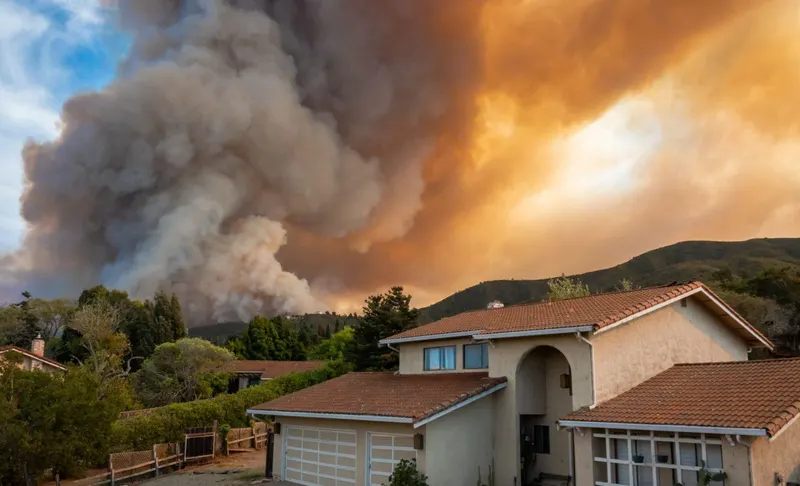
The California FAIR Plan provides coverage for specified fire-related risks, subject to policy terms, exclusions, and selected coverage limits.
Common covered causes of loss include:
- Fire: Protection against covered physical damage caused by fire, including qualifying wildfire losses.
- Lightning: Coverage for qualifying damage caused directly by lightning.
- Internal Explosion: Protection against certain explosions covered under the policy.
- Smoke: Coverage for qualifying physical damage caused by smoke from a covered event.
Homeowners should review their policy documents carefully because coverage depends on the specific policy language and applicable conditions.
Excluded Hazards: Water Damage, Theft, and Liability
One of the biggest limitations of the FAIR Plan is that it does not provide the broad protection available through a traditional homeowners policy.
Basic FAIR Plan coverage generally does not include:
- Personal liability protection if someone is injured on your property.
- Theft or burglary coverage for stolen belongings.
- Standard water damage protection for incidents such as burst pipes.
- Water backup coverage.
- General falling-object coverage.
- Comprehensive additional living expense protection comparable to a standard homeowners policy.
These coverage gaps can create financial risks for homeowners relying only on a basic FAIR Plan policy. Certain additional protections may be available through optional FAIR Plan endorsements, subject to current program rules and policy terms. Homeowners should review their selected coverage and exclusions before deciding whether separate insurance is needed.
For this reason, many property owners consider additional insurance to protect their homes, belongings, and personal financial interests.
Why You Need Difference in Conditions (DIC) Insurance
A Difference in Conditions (DIC) policy is an additional insurance policy designed to provide protections that may be missing from a California FAIR Plan policy.
The FAIR Plan provides basic property coverage for specified risks, while a Difference in Conditions (DIC) companion policy may help address important gaps, such as liability, theft, or certain types of water damage. When selected together, these policies can offer broader protection, but they do not automatically provide the same coverage as a standard homeowners insurance policy.
A DIC policy may include:
- Personal Liability: Helps protect against covered claims involving injuries or property damage for which the homeowner is legally responsible.
- Medical Payments: May cover eligible medical expenses for guests injured on the property, subject to policy limits.
- Theft Protection: Helps cover eligible losses involving stolen personal belongings.
- Water Damage: May provide protection for certain covered water-related incidents.
- Loss of Use: Can help pay additional living expenses if a covered loss makes the home temporarily uninhabitable.
The exact protection depends on the DIC insurer, policy limits, deductibles, and exclusions.
Homeowners looking for additional protection can learn more about a Difference in Conditions (DIC) companion policy.
FAIR Plan vs. DIC vs. Traditional HO-3 Policy
| Coverage Feature | Standalone FAIR Plan | DIC Companion Policy | Traditional HO-3 Policy |
|---|---|---|---|
| Fire Protection | Yes | Depends on policy | Yes |
| Wildfire Protection | Yes, subject to terms | Depends on policy | Subject to insurer and policy |
| Theft Protection | No | Often available | Usually included |
| Personal Liability | No | Often available | Usually included |
| Medical Payments | No | May be included | Usually included |
| Water Damage | Limited or excluded | May be included | Subject to policy terms |
| Loss of Use | Limited options | May be included | Usually included |
A DIC policy does not automatically cover every exclusion in the FAIR Plan. Homeowners should compare both policy documents to identify remaining coverage gaps and avoid assuming that the two policies provide identical protection to an HO-3 policy.
How Much Does the California FAIR Plan Cost in 2026?
The California FAIR Plan cost varies depending on the property's location, replacement cost, wildfire exposure, selected coverage limits, and other underwriting factors.
There is no single price that applies to every homeowner. Properties located in areas with greater wildfire exposure may have higher premiums than properties in lower-risk locations.
Important pricing factors include:
- Wildfire Risk: The property's location and assessed wildfire exposure can affect insurance pricing.
- Replacement Cost: Larger or more expensive homes may require higher coverage limits.
- Property Construction: Roofing materials, building features, and overall property condition can influence pricing.
- Wildfire Mitigation: Fire-resistant improvements and defensible space measures may qualify for available discounts.
- Additional Coverage: Adding a DIC companion policy increases the overall insurance cost.
Safer from Wildfires Discounts
California's Safer from Wildfires framework encourages homeowners to reduce wildfire risks through practical property improvements.
The FAIR Plan offers wildfire-hardening discounts for qualifying properties. Depending on the completed safety measures, eligible homeowners may receive discounts on the wildfire portion of their premium.
Examples of qualifying improvements include:
- Installing fire-resistant roofing materials.
- Removing vegetation and combustible materials near the home.
- Clearing debris from underneath decks.
- Using noncombustible materials for certain improvements near the structure.
- Participating in qualifying Firewise USA communities.
Homeowners should contact their insurance broker to confirm which improvements qualify and what documentation is required.
Payment Options and Combined Costs
The FAIR Plan provides payment options, including monthly payment arrangements. However, homeowners should consider the combined cost of their FAIR Plan and DIC policies when planning their annual insurance budget.
Comparing coverage benefits, deductibles, and premiums can help homeowners choose suitable protection without overlooking important risks.
Step-by-Step Guide: How to Apply for California FAIR Plan Coverage
Applying for California FAIR Plan coverage becomes easier when homeowners understand the process and prepare the necessary property information.

Step 1: Explore Traditional Insurance Options
Start by contacting traditional homeowners insurance companies to determine whether suitable coverage is available. Compare different providers before considering the FAIR Plan.
Step 2: Contact an Experienced Insurance Broker
If traditional coverage is unavailable, work with a licensed broker familiar with California FAIR Plan applications. A broker can help explain eligibility, available coverage, and application requirements.
Step 3: Prepare Your Property Information
Provide accurate details about the home's construction, replacement value, roof condition, and wildfire protection measures. Complete any requested inspections or improvements.
Step 4: Review Coverage and Limits
Carefully examine the proposed policy, including covered risks, exclusions, deductibles, and coverage limits. Make sure the selected amount reflects your property's insurance needs.
Step 5: Consider a DIC Companion Policy
Discuss additional insurance options to fill gaps in the FAIR Plan. A suitable DIC policy can provide important protections such as liability, theft, and certain water damage coverage.
Following these steps can help homeowners make informed insurance decisions and secure appropriate property protection.
Frequently Asked Questions About the California FAIR Plan
1. Is the California FAIR Plan State-Subsidized Insurance?
No. The California FAIR Plan is not taxpayer-funded or a state-owned insurance company. It is a private association supported by licensed property insurers operating in California and established under state law.
2. Can a Mortgage Lender Refuse a California FAIR Plan Policy?
A mortgage lender may require specific insurance protections, coverage limits, and policy conditions. A FAIR Plan policy may satisfy a lender's basic fire insurance requirement, but a standalone policy may not meet every requirement. Homeowners should confirm acceptance directly with their mortgage lender.
3. What Are the Current California FAIR Plan Commercial and Residential Limit Maximums?
The California FAIR Plan has generally offered up to $3 million in residential dwelling coverage. Its expanded high-value commercial property program has provided limits of up to $20 million per building and $100 million in aggregate per location, subject to applicable program conditions. These limits may change, so homeowners and commercial property owners should verify the current maximums and eligibility requirements with the California FAIR Plan before applying.
4. How Do I Transition Off the FAIR Plan Back to Standard Home Insurance?
Homeowners can periodically contact traditional insurance companies or work with an independent broker to check whether standard homeowners coverage has become available. Improving roof conditions, maintaining defensible space, and completing wildfire mitigation measures may help improve insurance options. Once suitable replacement coverage is approved and active, homeowners can coordinate the cancellation of their FAIR Plan policy without creating a coverage gap.

Find the Right California Home Insurance Coverage with OGI
Choosing the right insurance policy is an important step toward protecting your property against unexpected losses. The California FAIR Plan can provide essential fire protection, while additional coverage may help address important insurance gaps.
Online General Insurance (OGI) helps California homeowners understand available insurance solutions and explore coverage options suited to their property needs. Whether you are considering FAIR Plan protection or additional DIC coverage, comparing policies can help you make a more informed decision.
Explore Online General Insurance to learn more about available homeowners insurance solutions and find coverage options that fit your needs.