
Boat & RV Insurance in the Valley: A Weekend Warrior's Guide
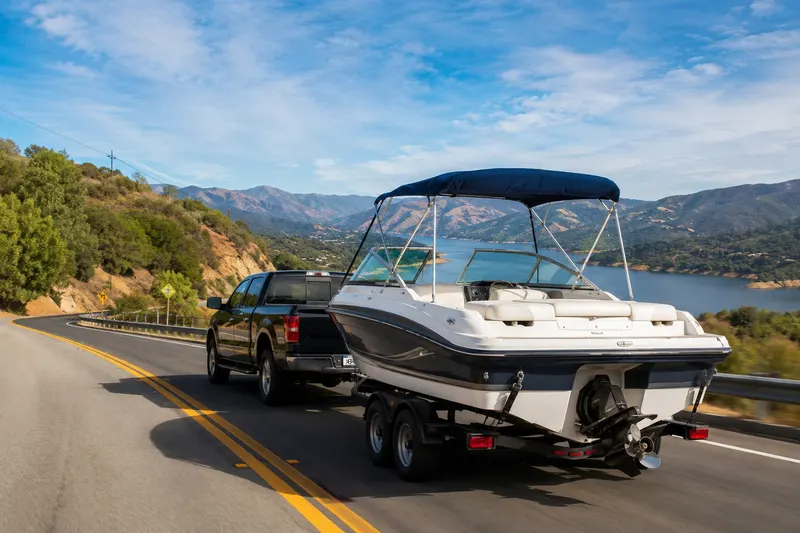
Your rig and your boat spend most of the year waiting for the good weekends: the lake run, the coastal launch, the campground loop through the foothills. When those weekends finally come, the last thing you want is a coverage gap that turns a fender-bender at the boat ramp or a hailstorm in a storage lot into a bill you pay out of pocket.
This guide breaks down what your policy actually covers on the trailer versus on the water or road, the liability limits California marinas and campgrounds expect before they let you in, and how to handle coverage during the off-season so you're not paying full freight for a rig that's sitting still. It's written for Valley weekend warriors who want the real requirements, not a sales pitch.
What's Covered on the Trailer vs. On the Water or Road
The single biggest misunderstanding weekend owners have is assuming one policy follows the toy everywhere. It doesn't. Where your boat or RV is, and what's moving it, changes which policy responds.
Your Boat: Three Exposure Zones
A boat lives in three states, and coverage behaves differently in each. A dedicated boat insurance policy is built around exactly these shifts.
On the trailer, being towed
When your boat is on its trailer behind your truck, the tow vehicle's auto liability is generally what responds if you cause an accident on the road. But damage to the boat and trailer themselves, a jackknife or a blowout that sends the rig into a guardrail, is typically covered only if your boat policy includes physical-damage coverage that extends to trailering. Not all do. This is the gap that catches people: they're insured on the water and exposed on the interstate.
On the water
This is where a dedicated boat policy earns its keep. Liability here covers injuries to passengers or other boaters and damage to other vessels or docks. Hull coverage handles physical damage to your own boat from collision, storms, fire, sinking, or theft. Many policies also fold in fuel-spill and wreck-removal costs, which matter more than people expect. California marinas frequently require pollution liability specifically.
In storage or at the slip
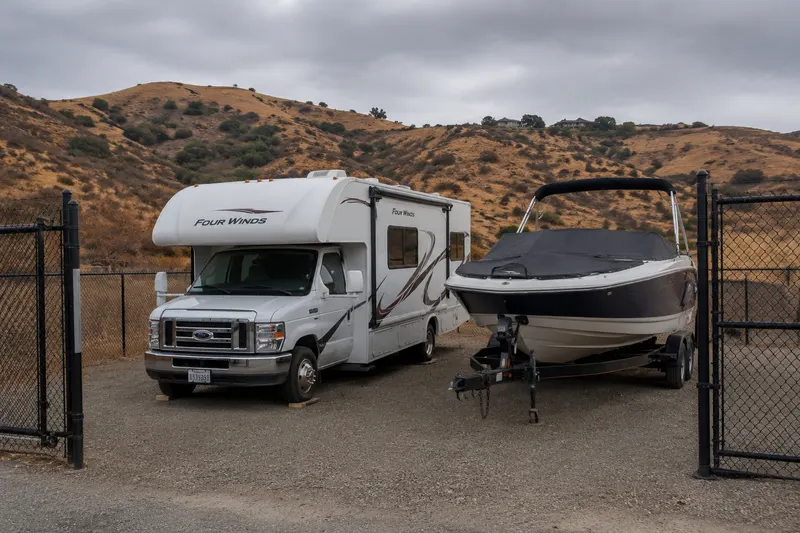
A boat sitting in a dry-storage lot or tied up at a marina is still exposed to theft, vandalism, fire, and storm damage. Comprehensive and hull coverage is what protects it here, and it's exactly the coverage some owners are tempted to drop in the off-season.
Your RV: Motorized vs. Towable Is the Dividing Line
For RVs, the key question is whether the rig moves under its own power. Motorhomes (Class A, B, and C) are motor vehicles under California law and carry the same liability requirement as a car. California also mandates uninsured and underinsured motorist coverage, which you can adjust or reject in writing. State minimums satisfy the law but do little in a serious highway accident, so most owners carry higher limits. Our RV insurance page breaks down how each piece fits together.
Travel trailers and fifth wheels are a different matter. In California, you are required to carry auto liability coverage for the vehicle that pulls the trailer, but that liability coverage does not cover damage to the travel trailer. To protect the trailer against damage, theft, or storms, you need comprehensive and collision coverage on the trailer, which the state doesn't require but which you'll almost certainly want, and which lenders require if it's financed.
The practical takeaway: your tow vehicle's liability protects other people when you're rolling down the highway; it does nothing for the trailer or its contents when a tree limb comes down in the campground. That's a separate coverage.
Liability Requirements for California Marinas and Campgrounds
Here's the part that trips up weekend warriors: California doesn't legally require you to insure a boat for personal use, but the marina absolutely can, and does, as a condition of your slip.
What Marinas Expect
While there are no state-mandated minimums for boat insurance in California, marina and lender requirements often include liability coverage for injury or property damage to others. In practice, the requirements have tightened. Common marina expectations now include:
- Minimum liability coverage, with coastal and premium facilities generally requiring higher limits than inland lakes.
- Oil pollution and fuel-spill liability, which is frequently required, not optional.
- Hull coverage matching the boat's value.
- The marina named as an additional insured on your policy, meaning you'll need to request a certificate of insurance listing them.
Many facilities also require you to provide a certificate of insurance annually to maintain slip access. Miss that renewal, and you can lose your spot. It's also worth retiring a common myth: that a boat is fully covered by a homeowners policy. For meaningful liability protection, insurance professionals often recommend carrying substantially higher limits than a basic policy provides.
What Campgrounds and RV Parks Expect
Campgrounds are generally less formal than marinas about certificates of insurance, but the exposures are real. For a motorhome you're driving in, your state-required liability is the baseline. Where owners get caught is vacation liability and campsite exposure: an accident at the campsite, someone tripping over your setup, damage you cause to the site.
To protect against accidents that occur at campsites when the RV is stationed and used as a temporary domicile, many RV policies include vacation liability coverage. If you tent-camp out of a travel trailer or spend long weekends parked, this is worth confirming on your policy.
Note too that California State Parks limit how long RVs can stay, and length limits vary by park, with many older campgrounds built for smaller rigs. Those aren't insurance rules, but they shape how and where you'll actually use the rig.
Financed Toys: The Lender Always Wins
Whether it's a boat or an RV, if there's a loan on it, the lender sets the floor. Financed boats and RVs almost always require comprehensive and collision (or hull) coverage, a capped deductible, and the lender named as loss payee. These requirements often exceed what a marina or campground asks for, so check your loan terms first.
Not Sure Your Policy Meets the Requirements?
Get a quick coverage review before your next trip. A licensed agent can confirm your limits, add your marina as additional insured, and close any gaps before you launch.
Seasonal Storage Coverage: Stop Overpaying in the Off-Season
Valley weather means your boat and RV probably sit for months. The instinct is to cancel or slash coverage to save money. That's the wrong move, but there's a smart version of it.
- Don't cancel your policy outright. Off-season cancellation may cause a gap in your insurance history, which can hurt your eligibility, discounts, or pricing when you return. A lapse can cost you more than you saved.
- Do use a storage or lay-up option. Keep the coverage that still matters and suspend the coverage you don't need while parked. Homeowners insurance is not designed to cover physical damage to the RV in your driveway or a storage lot. For owners who only travel in the warmer months, this can meaningfully lower the premium during the months the rig isn't moving.
- Keep comprehensive coverage on during storage, especially in fire and storm zones. A parked toy still burns, floods, gets stolen, and takes storm damage. California wildfire risk adds a real layer: if your rig is parked at a property in a high-fire-risk zone, comprehensive coverage matters year-round. Our guide to wildfire season in the San Fernando Valley covers that risk from the property side. For boats, the equivalent is keeping hull and comprehensive active against theft and weather in the dry-storage lot.
A few extra ways to trim storage-season cost: store the rig in a secure, gated facility (insurers price this in), ask about multi-policy discounts if your auto or home is with the same carrier, and document usage honestly. Occasional-use rigs are exposed to less risk and can qualify for lower rates.
Building Your Weekend-Warrior Coverage Checklist
Before your next launch or campground reservation, run through this:
- 1 Confirm your trailering coverage Does your boat policy cover physical damage to the boat and trailer while being towed, not just on the water?
- 2 Match liability to your marina's contract Coastal and premium facilities may want higher limits than inland lakes. Confirm pollution and fuel-spill liability is included.
- 3 Add the marina as additional insured Then set a calendar reminder for the annual certificate renewal so you don't lose slip access.
- 4 Carry more than state-minimum RV liability The legal floor is not real protection in a serious-injury accident.
- 5 Verify vacation liability Confirm campsite exposure coverage if you use a towable or park for long stays.
- 6 Set up a storage or lay-up plan Keep comprehensive active. Never a full cancellation.
- 7 Check lender requirements first If anything is financed, the loan terms usually govern, and they tend to exceed what a marina or campground asks.
Explore Your Coverage Options
Every weekend setup is different. A bass boat towed to a foothill reservoir has different needs than a Class A coach that winters in a storage lot. Start with the coverage that matches how you actually use your toys:
- Boat Insurance: liability, hull, trailering, pollution, and theft coverage built around where and how you boat.
- RV Insurance: motorhome and travel-trailer coverage, vacation liability, roadside, and seasonal storage options.
- Recreational Vehicle Insurance: coverage for the rest of the fleet, from PWCs to campers and everything you haul to the lake.
You can see every community we serve on our service areas page, and we'll match limits to how and where you actually ride, boat, and camp.
Ready to Hit the Water, Fully Covered?
Don't let a coverage gap ruin a good weekend. Whether you're launching a boat, towing a trailer, or storing your rig for the off-season, we'll build a policy around how you actually use it. Start with a free quote, or explore our boat and RV coverage first.
Frequently Asked Questions
Is boat insurance required by law in California?
No. California does not require boat insurance for personal use on public waterways. However, marinas, harbors, storage facilities, and lenders routinely require proof of liability insurance before granting slip access or financing, so in practice most owners need it.
Does my auto insurance cover my boat trailer?
Your auto liability generally follows the trailer for damage you cause to others while towing. But damage to the boat and trailer themselves is only covered if your boat policy includes physical-damage coverage that extends to trailering. Confirm this specifically, because it's a common gap.
Do I need separate insurance for a travel trailer in California?
The state doesn't require separate liability for a towable trailer; your tow vehicle's liability covers damage you cause to others. But that liability won't pay for damage to the trailer itself. You need comprehensive and collision on the trailer to protect it, and your lender will require it if it's financed.
What liability coverage do California marinas require?
It varies by facility. Many California marinas require a set minimum liability limit along with mandatory oil-pollution and fuel-spill liability, and coastal or premium marinas often require higher limits. Most also require the marina to be named as an additional insured with a certificate of insurance that is renewed annually.
Can I cancel my RV insurance for the winter to save money?
It's not recommended. Canceling can create a coverage-history gap that raises your rate or hurts eligibility when you restart. A better move is a storage or lay-up option that keeps comprehensive coverage active, protecting against fire, theft, and storms, while suspending the coverages you don't need while parked.
Does my RV need coverage while it's just sitting in storage?
Yes. A parked RV can still be stolen, vandalized, or damaged by fire and storms, and your homeowners policy is not built to cover physical damage to the RV itself. Comprehensive coverage during storage is especially important in California's wildfire-prone areas.
What insurance does a motorhome need in California?
Motorhomes are treated like cars and must carry the state's required liability coverage, plus uninsured and underinsured motorist coverage you can adjust in writing. These are legal minimums; carrying higher limits is strongly advised given today's medical and repair costs.